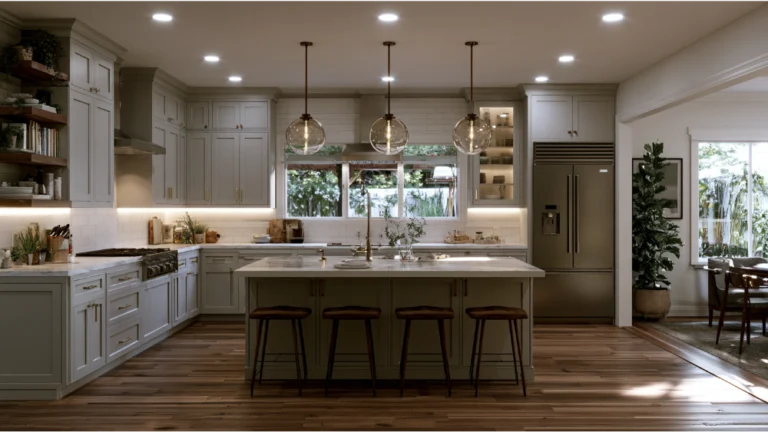
Key Takeaway
A kitchen remodel changes the layout, plumbing, or structure of the room, while a kitchen renovation updates finishes and surfaces within the existing floor plan. Understanding the kitchen remodel vs renovation distinction determines your permit requirements, project timeline, and budget. Remodels cost more because they involve relocating utilities and structural work; renovations are more contained and often complete in a few weeks.
A kitchen renovation generally updates the current kitchen you already have while keeping its fundamental layout. A kitchen remodel changes how the room is arranged and how it functions, which usually means moving walls, plumbing, appliances, or all three. Many homeowners start looking into kitchen remodel vs renovation, what’s the difference in practice, right when they’re trying to define scope before collecting estimates. In everyday conversation, though, both words get used interchangeably. The written scope of work, not the label, is what determines permits, complexity, and schedule.
Kitchen Remodel vs Renovation at a Glance
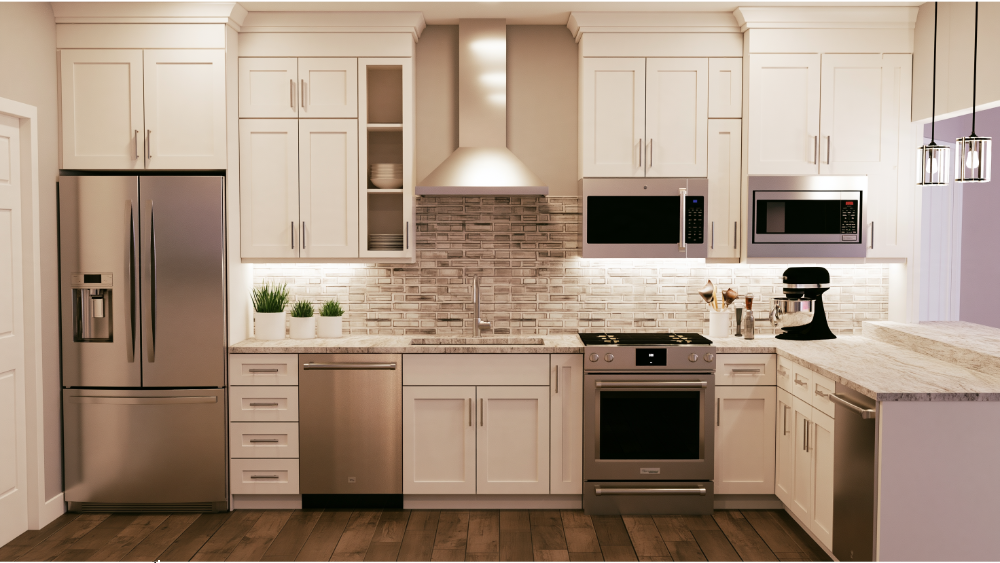
Here’s how the two generally compare when the terms are used in their practical sense. Details vary depending on the home.
| Renovation | Remodel | |
|---|---|---|
| Primary goal | Refresh what’s already there | Change how the room works |
| Existing layout | Stays the same | Changes |
| Walls | Untouched | May be opened, moved, or removed |
| Cabinets and countertops | Replaced or refinished in place | Redesigned around a new configuration |
| Appliance locations | Unchanged | Often relocated |
| Plumbing and electrical | Mostly stays put | Frequently rerouted |
| Permit likelihood | Lower, but not zero | Higher |
| Relative complexity | Generally lower | Generally higher |
| Disruption to daily use | Generally shorter | Generally longer |
| Best fit | Layout works, finishes don’t | Layout itself is the problem |
What Is a Kitchen Renovation?
A kitchen renovation restores, refreshes, or replaces what’s already in the room while the floor plan stays exactly where it is. The sink stays on the same wall. The range stays in the same opening. What changes is what you see and touch every day: surfaces, finishes, hardware, and fixtures. These are surface level improvements in the best sense, cosmetic updates that give the space a fresh look without changing how it’s arranged. A simple refresh of paint, hardware, and lighting can shift the kitchen’s aesthetic and give a tired room new life. Because nothing structural moves, the work tends to be more contained and the kitchen comes back online sooner, sometimes in a few weeks depending on scope. When the layout already works, that makes a renovation the more cost effective path.
Common examples of kitchen renovation work
- Replacing countertops in the same locations
- New backsplash, flooring, and paint
- Cabinet refacing or replacing cabinet doors
- New light fixtures in existing locations
- New appliances in the same openings
- Storage improvements inside the current configuration
One caveat worth holding onto: even minor changes that touch electrical or plumbing can still require a permit. More on that below.
What Is a Kitchen Remodel?
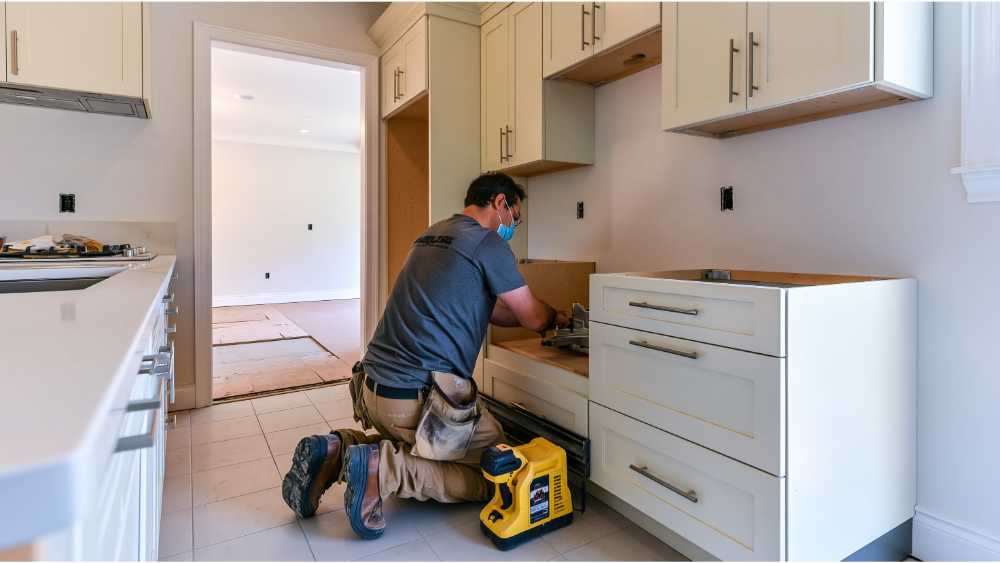
A remodel changes how the room works. Traffic flow, work zones, sightlines, and where things live all get rethought, which is why remodeling gives you far more design freedom than just a renovation ever can. It isn’t simply a bigger version of the same project. It’s a different question being answered: not “how should this kitchen look?” but “how should this kitchen function?” A full remodel often involves structural changes and rerouted plumbing and electrical systems, and in some cases it borrows square footage from an adjoining room. A complete redesign starts with your functional needs rather than with the floor plan you inherited.
Common examples of kitchen remodeling projects
- Relocating the sink, range, or refrigerator
- Removing or moving walls to create an open concept kitchen
- Replacing a peninsula with a kitchen island
- Reconfiguring cabinets and work zones
- Expanding the kitchen into an adjoining room
- Changing how the floor plan relates to the surrounding living space
Can a Kitchen Project Be Both a Remodel and a Renovation?
Yes, and plenty are. Picture keeping the sink and range exactly where they are while removing a peninsula, adding an island, and installing new cabinetry, countertops, flooring, and lighting. That’s a hybrid. Public agencies don’t treat these words as strict categories either. The City of Sacramento, for instance, classifies nonstructural kitchen work as a “remodel” too.
The Differences That Matter More Than the Name
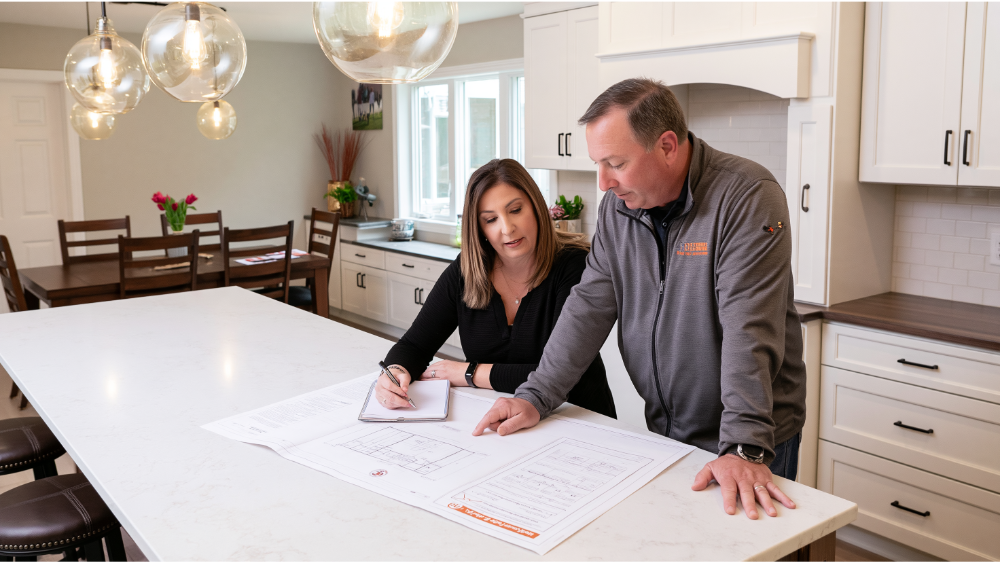
Four questions tell you more about your project than any vocabulary debate.
Does the layout change?
If the project stays inside the existing footprint and cabinets, appliances, and fixtures land in the same spots, you’re renovating. Once the arrangement shifts, planning, drawings, and coordination all step up.
Do plumbing, electrical, gas, or ventilation locations move?
Moving regulated systems is the single biggest complexity multiplier in a kitchen project. It also matters what condition those systems are in before anything moves, especially in older homes where the existing electrical wiring or supply lines may need attention regardless of your design.
Are any walls being modified?
Opening a wall requires knowing whether it carries load. Identifying load bearing walls usually comes from plans and review, not from a look around the attic.
How much of the kitchen stays usable during the work?
Surface updates often leave part of the room functional. A layout change generally takes the kitchen offline entirely, so a temporary setup elsewhere in the house becomes part of the plan.
Cost Difference Between a Kitchen Remodel and a Renovation
A remodel generally costs more than a renovation, and the reasons are specific: relocating utilities, structural work, plan review, a longer schedule, more decisions to finalize, and more unknowns behind the walls. A renovation carries fewer of those variables. What no online average can tell you is your number, because materials and scope vary depending on the room and the selections. Honest pricing comes from a defined scope, measured in your kitchen, matched to your budget. Anything else is a guess dressed up as a figure.
Which Adds More Home Value: A Kitchen Remodel or a Renovation?
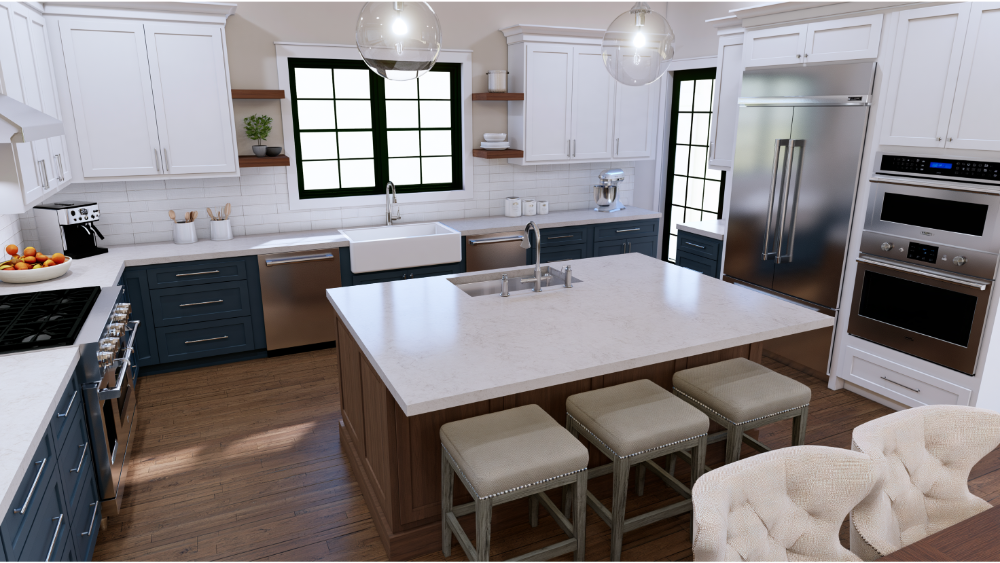
Both can add home value, in different ways. When the layout already serves the household well, well-executed surface updates with quality materials lift appeal and make the room feel current, and new appliances can improve energy efficiency at the same time. When the layout is genuinely dysfunctional, fixing it protects long-term property value, because the frustration doesn’t come back the way a dated backsplash eventually does. A project that improves both the look and the function tends to hold its resale value best. Plenty of homeowners choose the lighter path first, and that’s a smart choice when the bones are right. Work that’s built to last almost always outperforms the shortcut that has to be redone.
Kitchen Cabinets: Cabinet Refacing, New Boxes, or Custom Cabinets?
Think of it as a ladder. Cabinet refacing or replacing doors keeps the boxes and the layout, which is renovation territory. Installing new cabinetry in the same configuration is still generally a renovation, even though it can transform the room visually. Custom cabinets designed around a new layout, with relocated appliances or a reworked island, move the project into remodeling. So does replacing cabinets count as a remodel? Usually not on its own.
Should You Renovate or Remodel Your Kitchen?
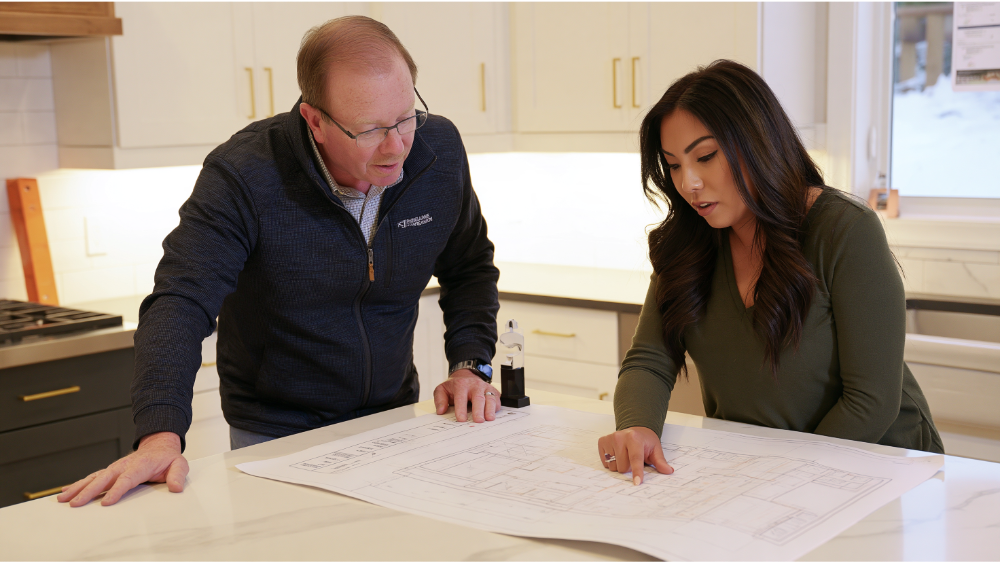
The renovation vs remodel decision comes down to how the room performs, not how it looks.
When a renovation makes sense (the layout works)
- Daily routines flow well and nobody bumps into each other
- Storage and counter space are adequate
- Appliances and plumbing sit in practical spots
- Your real complaints are worn or dated finishes
When a remodel makes sense (the layout works against you)
- Traffic flow is awkward
- Doors or appliances block walkways when open
- Storage problems can’t be solved inside the current configuration
- Counter space exists, but not where you actually prep
- The room feels cut off from the living areas
- The layout doesn’t match how your household really lives
Do Kitchen Remodels and Renovations Require Permits in Sacramento?
The answer depends on the work, not the label, and local rules treat kitchen remodeling and kitchen renovation projects by what’s actually being touched. The City of Sacramento notes that finish work such as painting, tiling, flooring, cabinets, and countertops may be exempt when performed alone, while electrical, mechanical, and plumbing alterations generally require a permit. Moving an outlet to accommodate new cabinetry can be enough to trigger one. Nonstructural kitchen work may qualify as a minor permit, reviewed in the field rather than through submitted plans. Wall changes and reconfigurations generally require plan review to confirm load-bearing conditions. As of 2026, new Sacramento applications follow the 2025 California Building Standards Code, effective January 1, 2026. Confirm requirements for your exact address and scope with your local building department.
A Note for Kitchens in Homes Built Before 1978
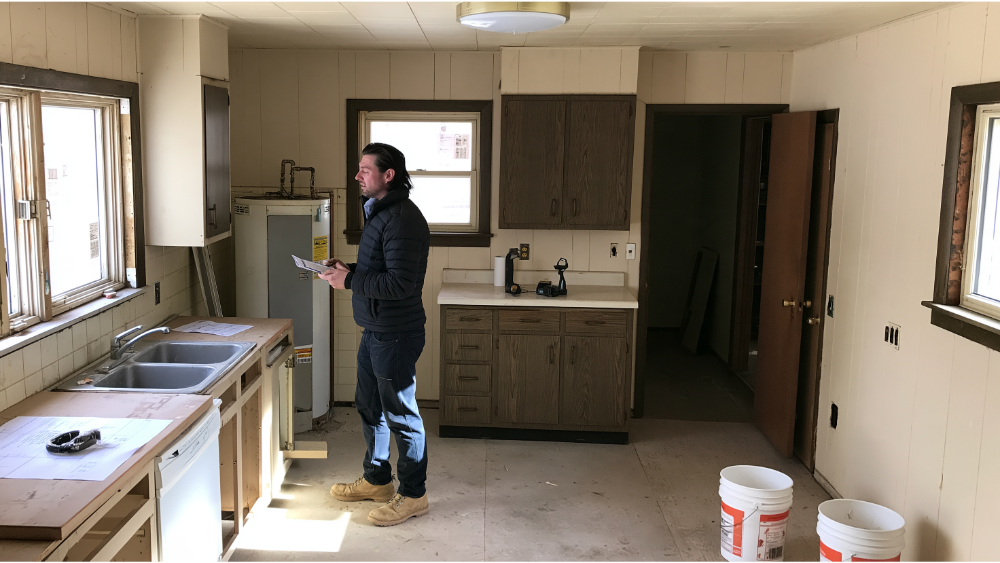
The EPA’s Renovation, Repair and Painting Rule generally applies to paid work that disturbs painted surfaces in pre-1978 homes, and covered firms must be certified and use lead-safe practices. A minor-repair exemption applies below 6 square feet of interior painted surface per room or 20 square feet exterior. Demolition is not exempt, and cabinet removal often disturbs old paint.
Why a Detailed Scope Matters More Than the Word You Use
A written scope is where clear communication turns into protection for both sides. It should spell out what’s being removed, retained, relocated, and installed, the specific materials and finishes, who pulls permits, start and completion dates, the payment schedule, and how hidden conditions get communicated when they appear. Some homeowners bring in an interior designer for selections, and even then the written scope is what governs the build. In California, CSLB requires a written contract for home-improvement work over $500 in combined labor and materials, and limits the initial down payment to 10% of the contract price or $1,000, whichever is less. Any change to scope or price should be documented in a signed change order before the work happens.
Plan the Transformation Around Your Vision

Don’t tear out a layout that already works because “remodel” sounds more complete. And don’t preserve a layout that will keep frustrating you for another decade. At Revana Homes, we work with homeowners in Sacramento, Folsom, El Dorado Hills, Roseville, and Lincoln from concept to completion, with a scope tailored to your space. A free consultation is where that scope starts. Request Your Free Estimate and our team is ready to bring your vision to life. Call (916) 205-5112.
Frequently Asked Questions
What is the main difference between a kitchen remodel and a kitchen renovation?
A renovation updates the existing kitchen within its current layout, while a remodel changes the layout, structure, or function of the room. The terms overlap constantly in everyday use, so the written scope is what actually defines the project.
What is the 30% rule for renovations?
It’s a commonly cited budgeting rule of thumb: homeowners often cap a single-room investment at roughly 30% of the home’s value, and many set aside a contingency for hidden conditions. It’s general guidance, not a building code or an industry standard, and it doesn’t replace a scope-based estimate.
Is ,000 enough for a kitchen remodel?
That budget generally points toward a renovation rather than a remodel: finishes, paint, hardware, cabinet refacing or door replacement, and a fixture swap, rather than moving plumbing, walls, or appliance locations. The only reliable way to know is a defined scope and a written estimate for your kitchen.
Does replacing kitchen cabinets count as a remodel?
Usually not by itself. New cabinets in the same configuration are generally a renovation. It becomes a remodel when the cabinet plan changes the layout or the work relocates plumbing, electrical, or appliances, which may also require a permit.